Thames Valley PCC encourages more schools to consider locking away studentsâ phones
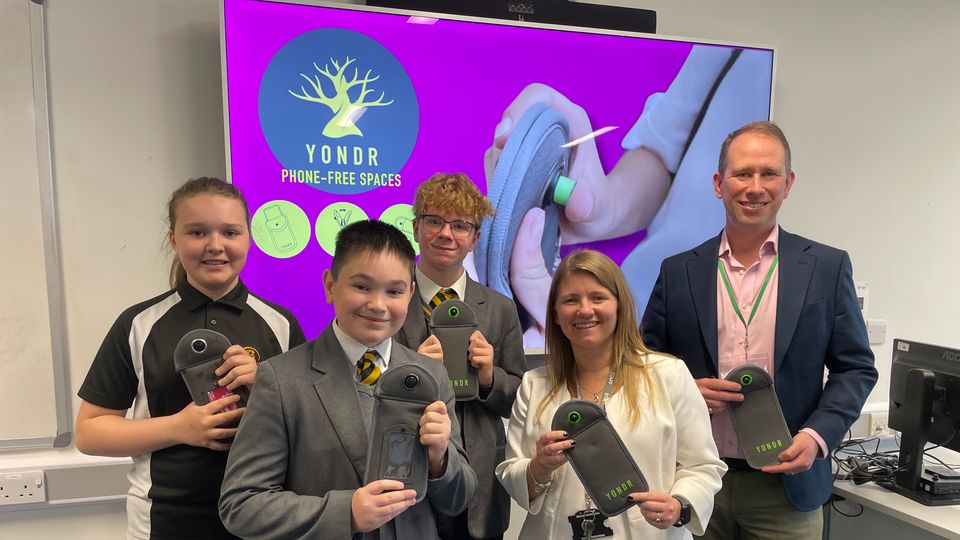
Matthew Barber, Police and Crime Commissioner for Thames Valley, is advocating for schools to limit student access to mobile phones during school hours, aiming to foster safer and more focused learning environments. "As a parent and a school governor elsewhere, I can see the educational benefits. But also looking at it from a police and crime aspect, we know there's a risk of exploitation and harm from the use of those phones, he said.
Mr Barber emphasised the connection between school attendance and life opportunities, suggesting that reducing distractions could help reduce crime. "If we want to break some of those cycles of offending that we see, improving children’s chances at school and making sure schools remain a safe place to be is absolutely vital," he added.
While he admits there is debate over whether government legislation should mandate stricter phone policies, Mr Barber believes educators should take initiative themselve. "School leaders should be doing this anyway; we shouldn’t need the government to legislate," he said.
The impact of such a policy is seen at Aureus School in Didcot, where mobile phone access has been restricted using locked 'Yondr' pouches since September 2024.
Deputy Headteacher Vicki Knight reports significant positive changes in student's focus. "The biggest change for me is that students feel present," she said. "And actually I think it’s lifted a burden off them - not having to keep up with streaks and likes and whatever's the latest on their phone."
Mrs Knight further highlighted the safety aspect, noting that students are less likely to film each other inside school. She added that the absence of mobile phones has also led to improvements in behaviour and reduced the amount of time spent out of lessons.
"The number of students asking to leave class to go to the bathroom has significantly reduced because they no longer feel they just need to quickly nip outside and check their phone," Mrs Knight noted.
Mrs Knight praised the scheme, pointing out how it has garnered support from students and parents alike, positively affecting the day-to-day dynamics at school. "I cannot praise the scheme enough because I really do think it's the best way for students to have resilience around their phone," she said.

Matthew Barber acknowledged the logistical challenges but believes individual schools can adapt the program to their specific needs without incurring significant costs, paving the way for broader implementation across the region.